Start with the system
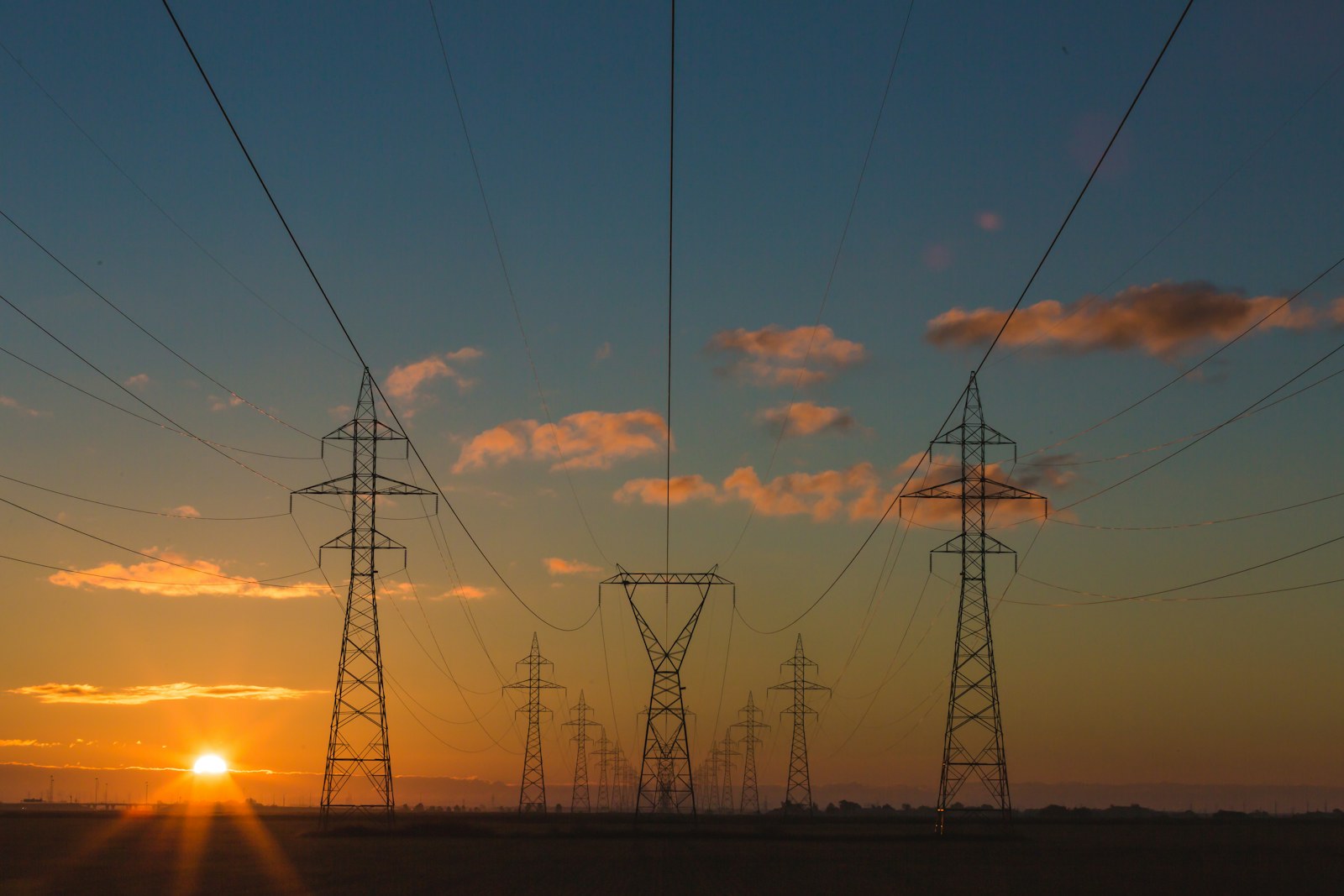
US electricity comes from multiple energy sources and technologies. Generation is one part of the system; transmission and distribution carry electricity to customers. The Energy Information Administration explains these connections and the distinction between generating capacity and actual generation.
Location changes the question
A hypothetical data-center project needs more than a national electricity total. Its location, connection requirements and operating pattern shape the questions worth asking. Our editorial view is that a useful project assessment should distinguish an announced building from an operational facility with an available supply.
Keep the claims separate
A proposed investment, an approved connection and delivered electricity describe different stages. None should stand in for another. Before treating a development as evidence of economic capacity, look for documents showing what has actually been completed. This is an analytical checklist, not a claim about a particular utility, development or current power shortage. The linked EIA material provides background on the system; it does not endorse our project-assessment framework.
Go to the source
US Energy Information Administration · Electricity in the United States ↗
Sources consulted October 17, 2026. This is an AI-assisted sample explainer, not a current news report. Commentary and illustrative examples are identified in the text. External sources do not endorse this publication.
Educational background, not personalized financial advice. Read our editorial standards.